Ryan has participated in several projects which pertain specifically to using technology and media to make museums more accessible. These projects all aim to increase the visitor experience in museums by using the latest technology to generate an interactive exhibit. Each of the following projects is an example of how media can be successfully used to bring museums and their communities to life.
Click on the arrow in front of each project to learn more about them.
Digital Interactive Kiosk
Each exhibit in the museum gallery at the Red Cedar Inn features a digital interactive kiosk. The kiosk itself is a touchscreen computer housed in a custom-built wooden case. These kiosks were designed and implemented by Ryan in order to include a hands-on element into the museum; guests can freely explore the presentation on the computer, finding additional information that cannot be found on the acrylic panels nor in the display cases.
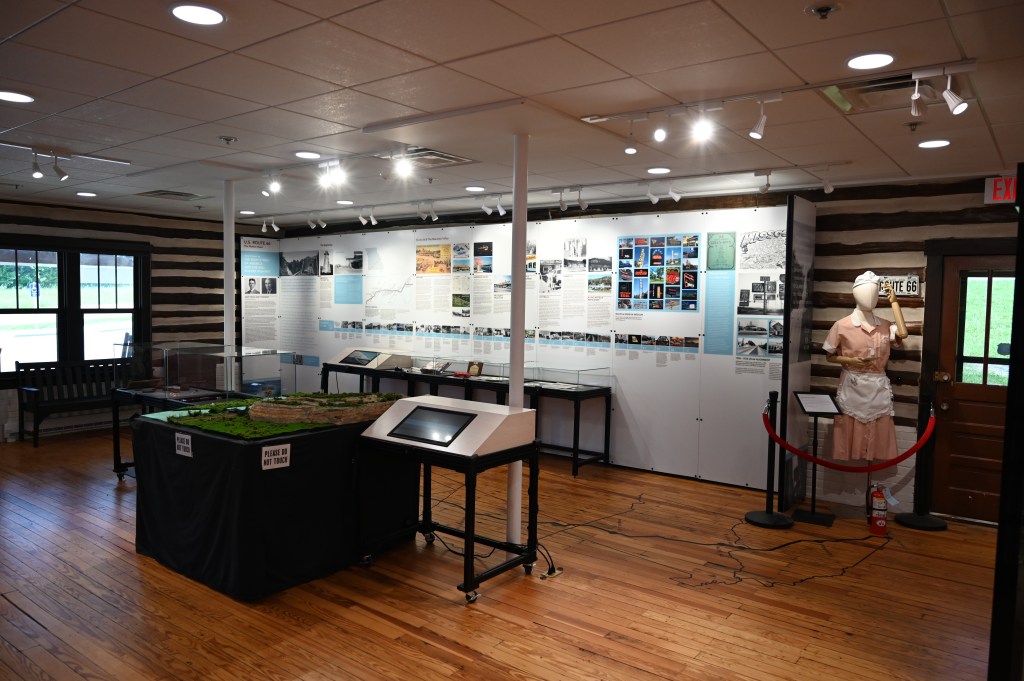
The kiosks don’t just feature additional information in the form of text, they include a whole lot more. Each presentation is tailored to the exhibit that houses it, meaning it has information solely on that theme. While the cases and acrylics transit information via photos, objects, and text blurbs, the kiosks themselves add an audio component. The presentation has video clips that are relevant to the exhibit, including snippets from interviews with locals and videos of additional artifacts and even more digitized photos.
The best part of these kiosks is that they not only have nearly unlimited storage space-since the data is stored in the cloud-but they can also be updated fairly easily. This allows for guests to actively contribute to museum content; if a guest has something they think should be included in one of the exhibits, they can fill out a form and the curator, Ryan, will do research on the topic. If the information or photographs that someone provides is verified, he can add it into the kiosk and give credit to the guest.
The kiosks not only allow for more information to be displayed than the physical space can allow, but it also adds an interactive element for guests. They can explore the presentations to find certain topics that interest them, and if those topics are not there they can request to have them added. The digital interactive kiosk is the first step in growing a more inclusive, community-centered museum.
Media Development
Since the Meramec Valley Historical Society, formed in 1989, ran solely on volunteers until Ryan was hired in 2023, they had no social media presence. After getting the museum up and running, Ryan worked on advertising the museum on social media. This included making the historical society a Facebook page that stays up-to-date on the latest exhibits and projects, as well as puts out the call for volunteers.
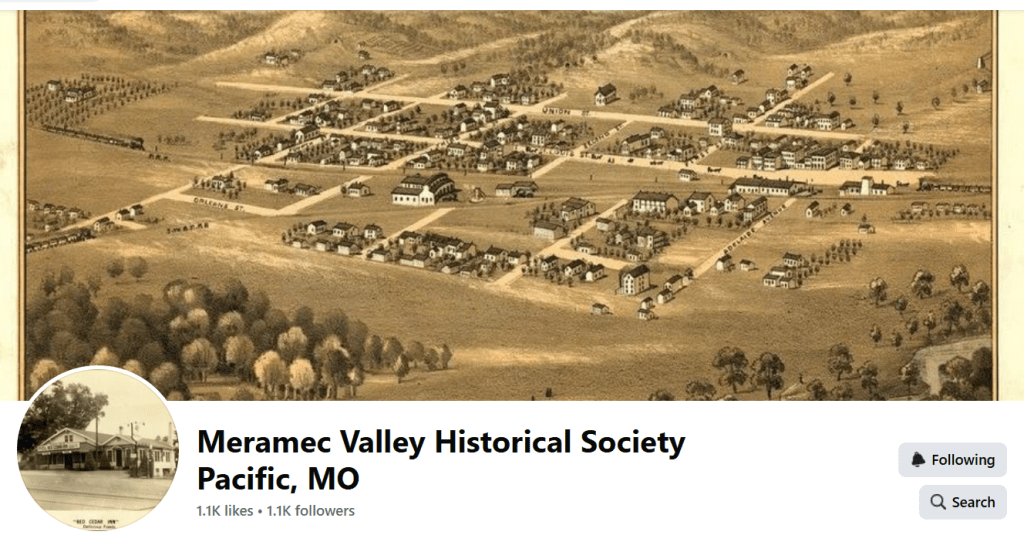
Ryan also developed the website for the Red Cedar Inn, giving the company a virtual space where they can advertise upcoming events, post their hours, show new exhibits, and provide maps and guides for tourists. Ryan maintains the website, ensuring it stays updated and is accessible to the community. Without these two developments, the Meramec Valley Historical Society would not have a digital footprint, which is a necessity in the modern age.
Missouri Humanities Podcast
The City of Pacific, Missouri won the 2024 Small-Town Showcase Award presented by the Missouri Humanities Association. Every year they select five communities that have a population of under 10,000. Alongside receiving an award, these communities are also included on the Missouri Humanities Podcast. For Pacific’s episode, Ryan Lowry was a guest alongside his boss Kelly O’Malley, Director of Tourism. Ryan helps to showcase the unique character of the Meramec Valley by highlighting the history and the stories that he has researched and collected.
Below is the link to the Podcast episode, feel free to take a listen.
https://pod.link/1590926343/episode/d505449274e1d10cc21b4b5231c5212e
Museum Audio Guides
Being located on Route 66, the Red Cedar Inn receives a large amount of international tourists. These groups are often traveling the whole of Route 66 in order to experience the best America has to offer. Sometimes these guests are not fluent in English, given it is not their native tongue, and often cannot experience everything in the museum. Working with a company that specializes in audio guides, Ryan was able to procure funding via donations to digitize the acrylic panels and have them translated from English into French, German, and Spanish.
Each of the acrylic sections-three in total-have been digitized, creating text files for everything that is on the displays. The text is then translated into the additional languages and then they are then converted into short readings that can be listened to as well. The audio guides are one way in which Ryan has promoted inclusive spaces within museums, ensuring that those who may have difficulty reading or may not fully understand English can still participate and feel welcomed in the museum.
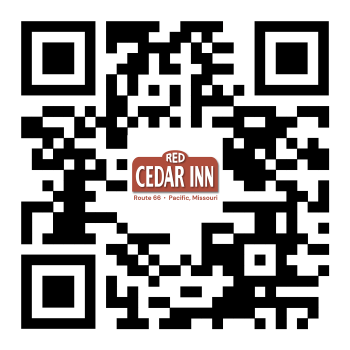
Scan with your phone to view the English page for the audio guides.
Scan with your phone to view the Spanish page for the audio guides.
Scan with your phone to view the German page for the audio guides.
Scan with your phone to view the French page for the audio guides.
Oral History Project
Given his interest in cultural history, Ryan implemented an oral history project in the Red Cedar Inn Museum. Since the City of Pacific, Missouri is a small town, Ryan wanted to talk with local residents to learn their versions of local history.
Sitting down with dozens of individuals who range from retired librarians to the descendants of founding families of the Meramec Valley, Ryan recorded hours of conversations with locals to preserve the oral history that is often forgotten about until those stories are lost. All of his interviews are being made available on YouTube, and clips from these interviews are featured in the digital interactives kiosk.
 Ryan Michael Lowry