Passion behind Projects
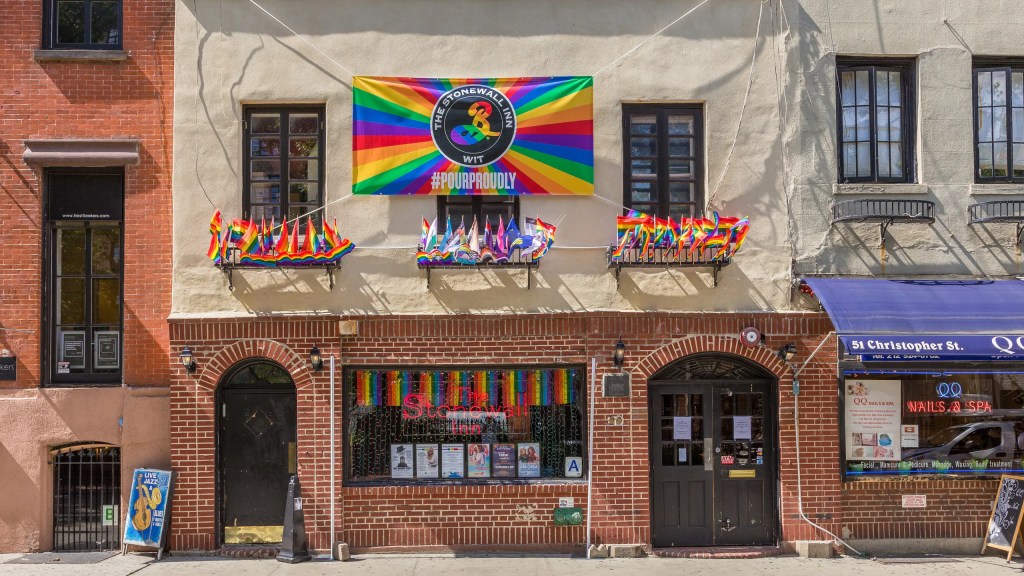
Throughout studying public history, we have learned about how people’s passion helps to drive them to create projects that better represent their own identities. It is through this passion that the desire—and eventually the action—for change is nurtured and the results are something truly breathtaking. However, when there is a public history project that lacks passion and is done simply to mark itself off a list, then the project becomes more of a hindrance than a benefit. One such project is the CyArk 3D exhibit over the 50th anniversary of the Stonewall Riots. While the project was done with good intentions, the overall lack of representation and passion makes it seem like this was a mandatory project rather than something to help the LGBTQIA+ community.
My reasoning behind this analysis of the CyArk project is influenced by Amy Lonetree and her book Decolonizing Museums. Lonetree argues that museums—and by extension public exhibits—are meant to be places where communities can express their own identities and generate conversations about their own heritage. It is not about simply representing one group; exhibits must go beyond simple representation and engage the public in order to show the importance of this representation. Not only that, but Lonetree also argues that these exhibits are a means of communication, a way of starting a conversation about why this community is being represented and what the public can do to further develop and spread their message. Many public history projects are created with this goal in mind, and it is the passion for this goal that drives these projects to be amazing. However, some projects—like CyArk—lack that drive, creating an exhibit that apparently lacks real value and instead functions only as a diversity write-off.
When one looks through the CyArk exhibit, one can see that the project had good intentions. The company worked with the Stonewall Inn to create a 3D rendering of the famous spot where the LGBTQIA+ movement really took off. The goal was to allow people who normally couldn’t visit Stonewall the opportunity to see it for themselves and experience what it is like to be there in person. The problem, however, is that the project does not go beyond showing 3D renderings with text explanations; there is no central argument about why this is important and why this exhibit matters. This exhibit seemingly lacks the fundamental passion that would have driven the team to do more, to really show the voices of the community. It fails to use any memory practices that are important to the community: there are no pictures including members of the community, there are no quotes from them, and the spaces are empty and desolate in the pictures which lack the energy and excitement that the LGBTQIA+ community invokes. Instead of invoking feelings of awe and inspiring awareness, this exhibit leaves viewers with the feeling of “is this all?” possibly leading to people thinking that a conversation isn’t needed; it generates the complete opposite reaction that public history exhibits should.
As a way to possibly correct the reactions that this exhibit seemingly generates, the curators could follow Lonetree’s example of inviting members of the community to help guide the project. In her book, Lonetree displays several case studies that show how affective bringing on the community you are representing can be. Lonetree specifically describes how the Minnesota Historical Society worked with the Mille Lacs Band of the Ojibwe tribe to create a fair, positive exhibit for their tribal community. Rather than simply speculating on what the exhibit should be, the Historical Society went above and beyond and listened to the collective memory practices of the people they are representing, something CyArk should have done.
Another book that has heavily influenced how I look at the CyArk exhibit is Engaging the Past by Alison Landsberg. Landsberg argues that the modes in which history and conveyed play a large role in determining what value and information viewers get out of it. One has to embrace the “affective experience” of what their work creates and use it to develop new thoughts and contributions to whatever community they are representing. Similar to how Lonetree argues that the way exhibits are built is important to providing context and generating interest, Landsberg argues that the means are just as important as the message itself. This concept is another thing that CyArk completely lacks in their online exhibit; they use the most advanced modern technology to create 3D renderings of spaces and put them online. The “affect” of this technology is that someone can truly immerse themselves into it from anywhere, allowing the feelings, emotions, and overall message of Stonewall to be felt around the world. However, the results that they created with this technology are utterly disappointing; they show an empty room and an empty park with no people at all.
A cornerstone of the LGBTQIA+ community is celebration and unity that culminates into Pride parades; rather than showing empty rooms, CyArk could’ve rendered the Pride parade that goes right past Stonewall. By doing this, people could feel the warmth, joy, excitement, and sense of unity that brings the community together and shows that the community deserves to be equal and respected. If CyArk truly had a passion for this project, then they would have known that representing these emotions is critical to understanding what it is like to be a member of the LGBTQIA+ community and thus generate a conversation about how the public can best protect and embrace the community.
Rather than representing passion in their project, CyArk seems to have created the 3D Stonewall exhibit just as a way to say that they have embraced the community. Rather than using the “affect” of 3D rendering, or incorporating local memory practices, CyArk instead does the bare minimum. Instead of encouraging acceptance and generating talk about the LGBTQIA+ community, this exhibit creates a sense of boredom and plainness, potentially hurting the movement rather than helping it. Because of the work of other public historians, I have been able to critically examine this exhibit and express my beliefs about how it has failed rather than succeeded. It isn’t enough to just create representation; you must embrace all aspects of it and develop a true passion for change.
 Ryan Michael Lowry
Leave a comment